

The Oak Tree Remembers: A Chiddicks Family Story Through the Eyes of the Village Oak Tree
I have been standing here longer. than you can remember. My roots run deeper than the graves in the churchyard, and my limbs have reached higher with every passing century. I am the old oak on the village green, and though I cannot move, I have witnessed it all. From this patch of earth, I’ve watched the world change, ripple by ripple and in that time, I have watched the Chiddicks family grow.
It was the spring of 1865 when I first saw Matthew Chiddicks and Elizabeth Lake. They were young, shy, and full of promise. I remember how Matthew brushed down his best jacket and fumbled with his collar that morning, how Elizabeth’s hands trembled ever so slightly as she held a small bouquet of wildflowers. He was tall and quiet, an agricultural labourer with honest hands; she was warm-eyed and strong-willed. They were married in the village church, and the bells rang out across the fields, echoing all the way to me.
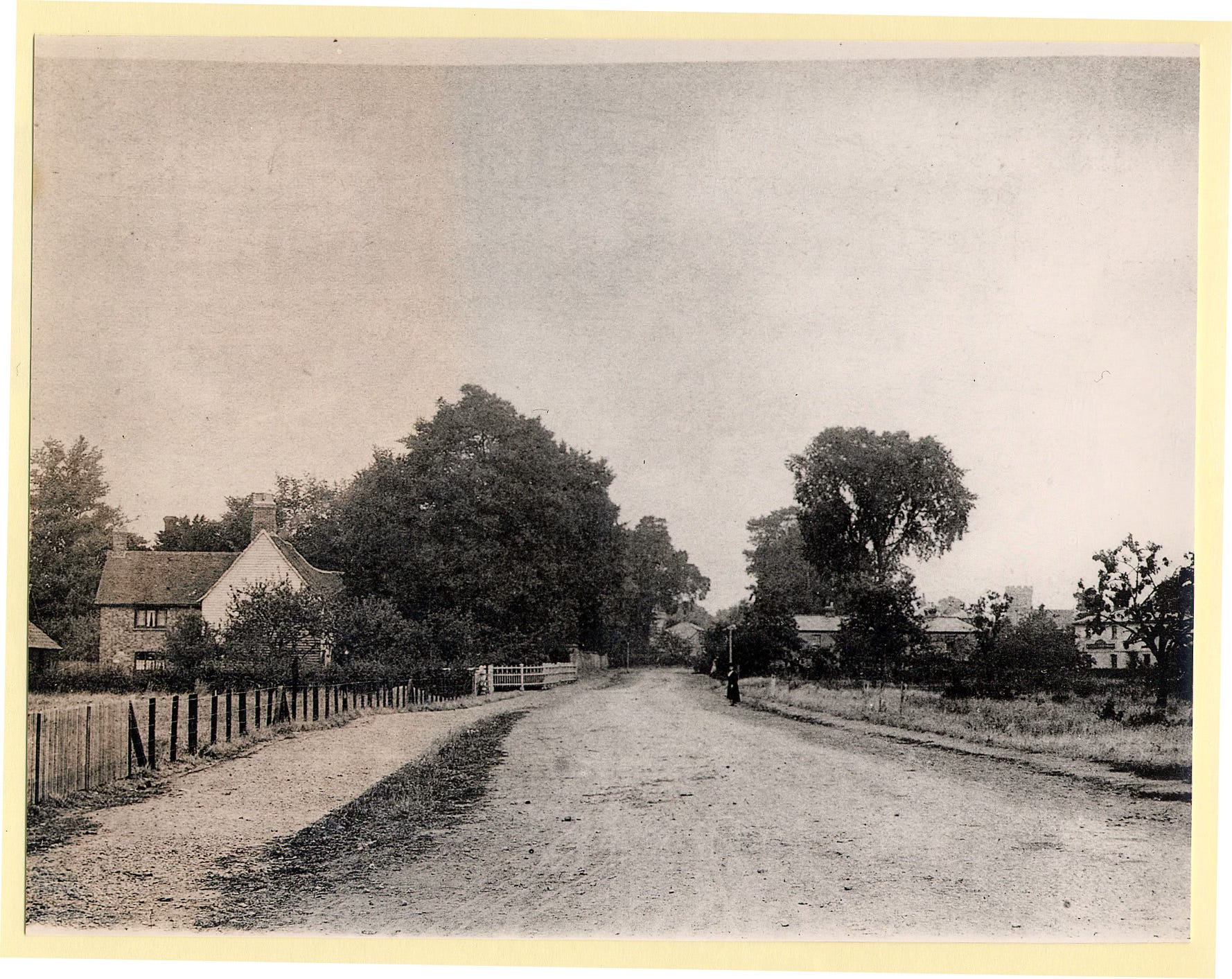
After the ceremony, they crossed the green and paused beneath my branches, speaking softly of their future. They didn’t know yet what was to come. But I did. Their story had just begun.
Matthew worked the farmlands of Essex, day after day, from the first light of dawn to the last golden flicker of sunset. His life was a life of rhythm: dictated not by clocks, but by the light in the sky and the turn of the seasons. I watched him each morning, his boots crunching on the dew-covered grass, tools slung over his shoulder. Each evening, he returned more slowly, but steadily, never complaining. He knew the seasons like I know the wind. He knew when the barley would rise, when the ground would break, when the storms would come. His life was written in the furrows.
The work was hard. The kind of hard that left backs bent and knuckles cracked. Spring meant ploughing and sowing, fields tilled by horse-drawn ploughs, seed cast by hand into the soil. Summer brought long hours under the sun, scything hay and tending livestock. Autumn was the great reward: harvest-time. Wheat and barley gathered into sacks, apples pressed for cider, potatoes lifted from the earth like treasure. Winter was quieter, but never idle, hedges mended, tools repaired, and the animals kept safe from frost.
Elizabeth kept the home, a small cottage with a stove that smoked on windy days and floorboards that creaked with every step. She churned butter, baked bread, and stitched clothes by candlelight. Water was hauled by pail, laundry boiled in a copper tub. Children were raised with love and a quiet resilience. It was a life of hard-earned contentment, full of small joys: the smell of fresh bread, a child’s laughter, a warm fire on a stormy night.
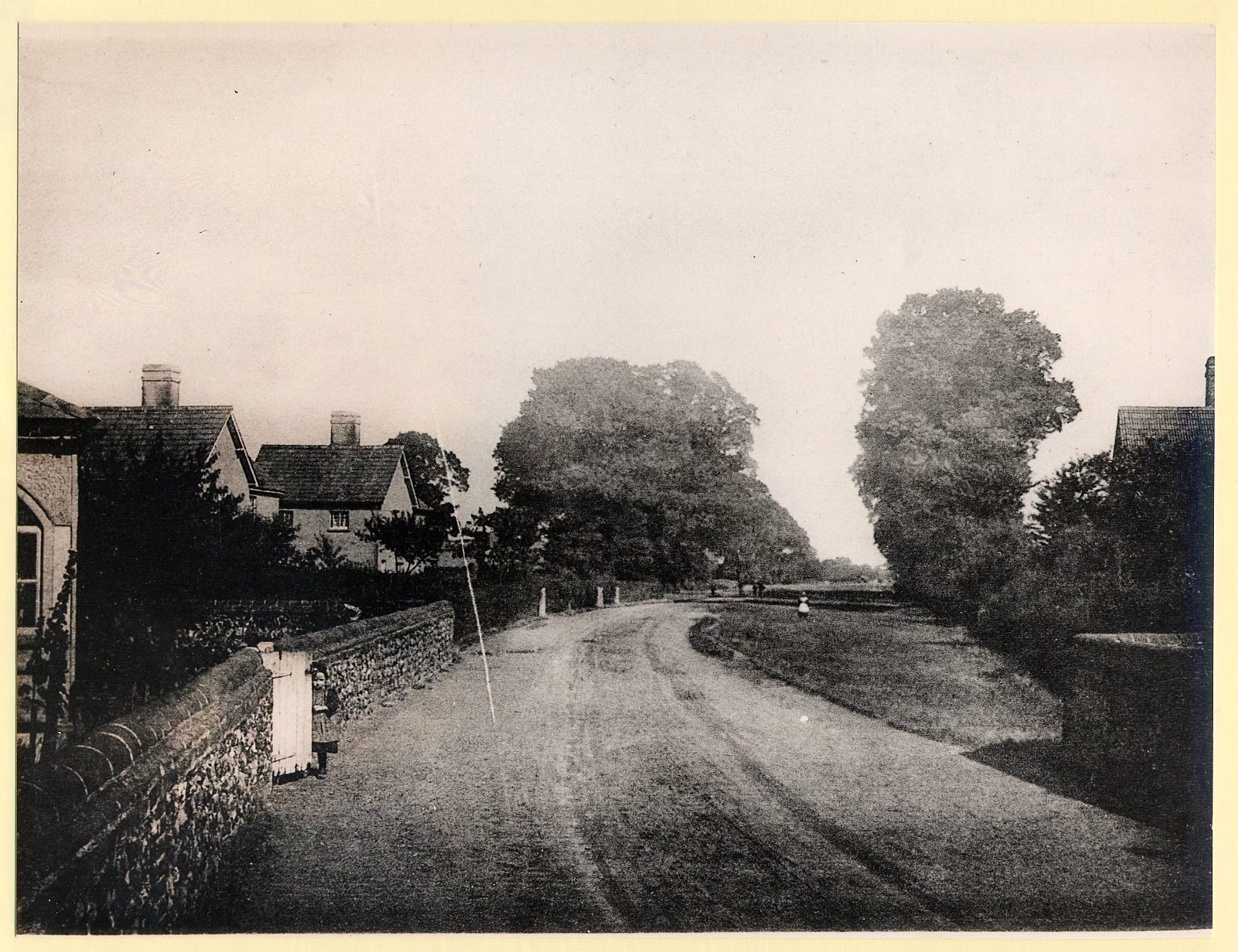
Their children came, one by one, as steady as the seasons: William, proud and serious; Elizabeth, gentle but quick-witted; Louisa, Mary Ann, John, Alice, and little Walter, the youngest, the liveliest, the dreamer. I watched them all grow, saplings in the shadow of my branches, their laughter, their tears, all shared under my watchful eye.
Village life moved at the pace of a plough horse. People nodded as they passed. They lingered over fences to trade gossip, shared bread when flour was scarce. On Sundays, the church pews filled with bonnets and stiff collars. On Mondays, the washing lines danced with linen. Every week had its rhythm, market days, baking days, wash days.
At the heart of the village, there was The Plough Inn, the village pub just across the green, buzzing with life. On market days, it swelled with muddy-booted farmers, loud with laughter and the clink of mugs. On Saturday nights, the strains of a fiddle would drift out like smoke and with it came dancing and the clumsy poetry of first loves. I watched fathers sing ballads and sons try their first ale, while mothers rolled their eyes fondly from the doorsteps. More romances began in that pub than ever made it to the church steps. The ones that endured are etched into my bark for eternity.”
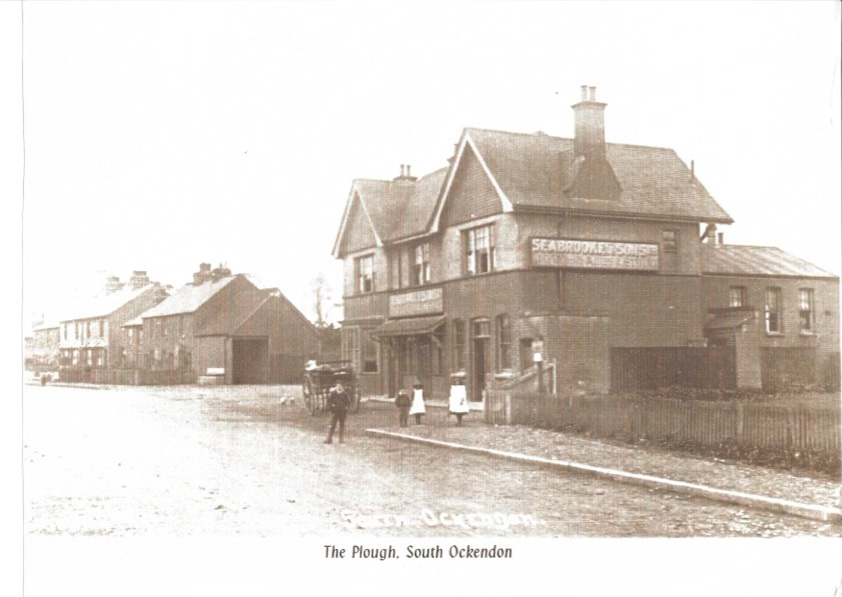
I saw harvest festivals with wheat sheaves tied in ribbons, and the Maypole dance with its swirling colours and dizzy children. Bonfire Night lit up the dark, flames flickering against my bark as tales passed from lips to ears, truth tangled with legend. I stood at the heart of it all, the village stage for joy, grief, and everything in between.
It was William who first spoke of the railway, his eyes wide with wonder. Great iron beasts, he said, were coming, trains that would connect their little world to something vast and new. When the railway arrived, it changed everything. Matthew, older now, weary from years in the fields, took work with the railways. No more furrows and frost, now coal and dust filled his working day. His sons, William and John, followed, swapping soil-caked boots for soot-blackened ones. Their footsteps sounded different, now, the world had begun to move quicker than the old rhythms allowed.
But not all change brings comfort.
When young Walter came of age, the world had shifted dramatically. It was 1914. I remember the day he left. The village gathered beneath my shade to say goodbye to a dozen fine boys. Walter, so full of life and laughter, hugged his mother tight, trying to smile. But her face crumpled like leaves in autumn. She stood beneath me long after he left, whispering, “Please let him come back,” again and again. That silence; I held it close in my trembling branches.
The war that once seemed so far away came home with stark reality in telegrams and tolling bells. The boys who had once dared each other to climb to my highest branches were now names read out in solemn silence on armistice mornings. The village held its breath with every passing season.
But what of Walter? Walter came home. Changed, quieter, shadowed by things he never spoke of, but alive, a miracle among so many losses.
Now, their footsteps are quieter. The children of William, John, Mary Ann, they still pass me by. Some push prams. Others carry phones. Some pause, hand resting on my bark, not knowing why. But I know.
I have held the Chiddicks family in the cradle of my shade for generations — through war and wedding, harvest and heartbreak. Their joy. Their grief. Their ordinary, extraordinary lives.
The pub is quieter now. The fiddle silent. The trains come less often. But the green still holds echoes. Children still chase each other through dandelions. And I still stand, watching.
You may not know my name, but I know yours. I am not just a tree; I am the keeper of your stories. The witness, the quiet remembering. So when you next pass by, look up, I’m still here and I always will be. When the wind whispers through my leaves, know it carries your memories, your laughter, your tears, all woven into the fabric of time. I hold them all, quietly, patiently, waiting for you to return. Because stories never truly end; they live on in me, as long as I stand………
Why not visit my new website:
All My Blogs For Family Tree Magazine in one handy place
Copyright © 2025 Paul Chiddicks | All rights reserved

 The Chiddicks Family Tree
I love reading your stories and they have inspired me to begin write my own. This one is amazing and made me smile. What a great twist on a Family History story.
LikeLiked by 1 person
Thank you so much that’s very kind of you to say that 😊
LikeLike
I absolutely love this Paul. What a wonderful idea. Beautiful story-telling, as usual. Thank you.
LikeLiked by 1 person
Thanks so much Kelly 😘
LikeLike
Very creative and very poignant. What a unique perspective!
LikeLiked by 1 person
Thanks Marian, I thought I would try something different
LikeLike
lovely way to give your ancestors story but from a different more entertaining perspective. (Am hoping it was wrote by you and not Ai) 😳🤞
LikeLiked by 1 person
It’s definitely written by me
LikeLike
This is amazing. Not ‘if these walls could talk’, but ‘if these trees could speak…’ There’s something so haunting and beautiful about that.
LikeLiked by 1 person
Thank you so much that’s very kind and means a lot to me 😊
LikeLiked by 1 person
Paul, this is a gem! I love how you used the oak tree to tell the story of your family. It’s beautifully written and conjures up an image of what life was like in the past. I really enjoyed it.
LikeLiked by 1 person
Thanks so much Jude that really means a lot. I wasn’t sure at the start if it would work or not, but it kind of just developed and I’m pleased with the finished story 😊
LikeLiked by 1 person
What a unique way to tell a family’s story – I truly enjoyed reading it… We often forget how local landmarks endure and what they have witnessed.
LikeLiked by 1 person
Thanks so much Teresa I’m glad you enjoyed it
LikeLike
Absolutely brilliant, Paul! Beautifully and evocatively written…
LikeLiked by 1 person
Thanks so much Dave I really appreciate that 😊
LikeLike
That story has got to be my favourite yet, so heart warming and beautifully written.
Thanks for making my day that much brighter x
Regards Christine
Sent from my iPhone
LikeLiked by 1 person
Thanks so much for saying that
Christine you’ve made my day by saying that 😊
LikeLike