
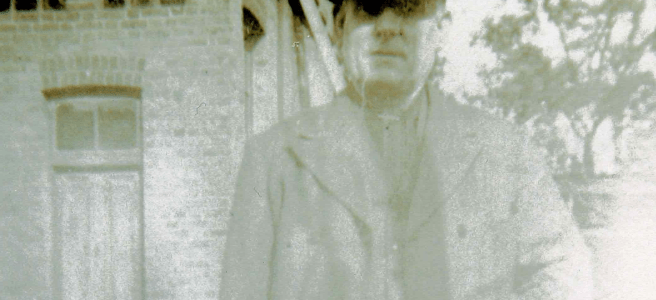
A Journey Through Victorian Essex and Beyond
In the spring of 1866, in the quiet rural village of South Ockendon, Essex, a young boy named William Chiddicks was born into a world poised on the brink of immense change. He was born on 18 March 18661, the first of seven children born to Matthew and Elizabeth Chiddicks (née Lake), at a time when Victorian Britain was both booming with imperial might and straining under the weight of a society divided by class and opportunity. But in the quiet Essex countryside, life remained rooted in the rhythm of the seasons and the village offered a peaceful beginning for a child who would grow up during an era marked by rapid industrialisation, social shifts, and the far-reaching changes of the Victorian age.
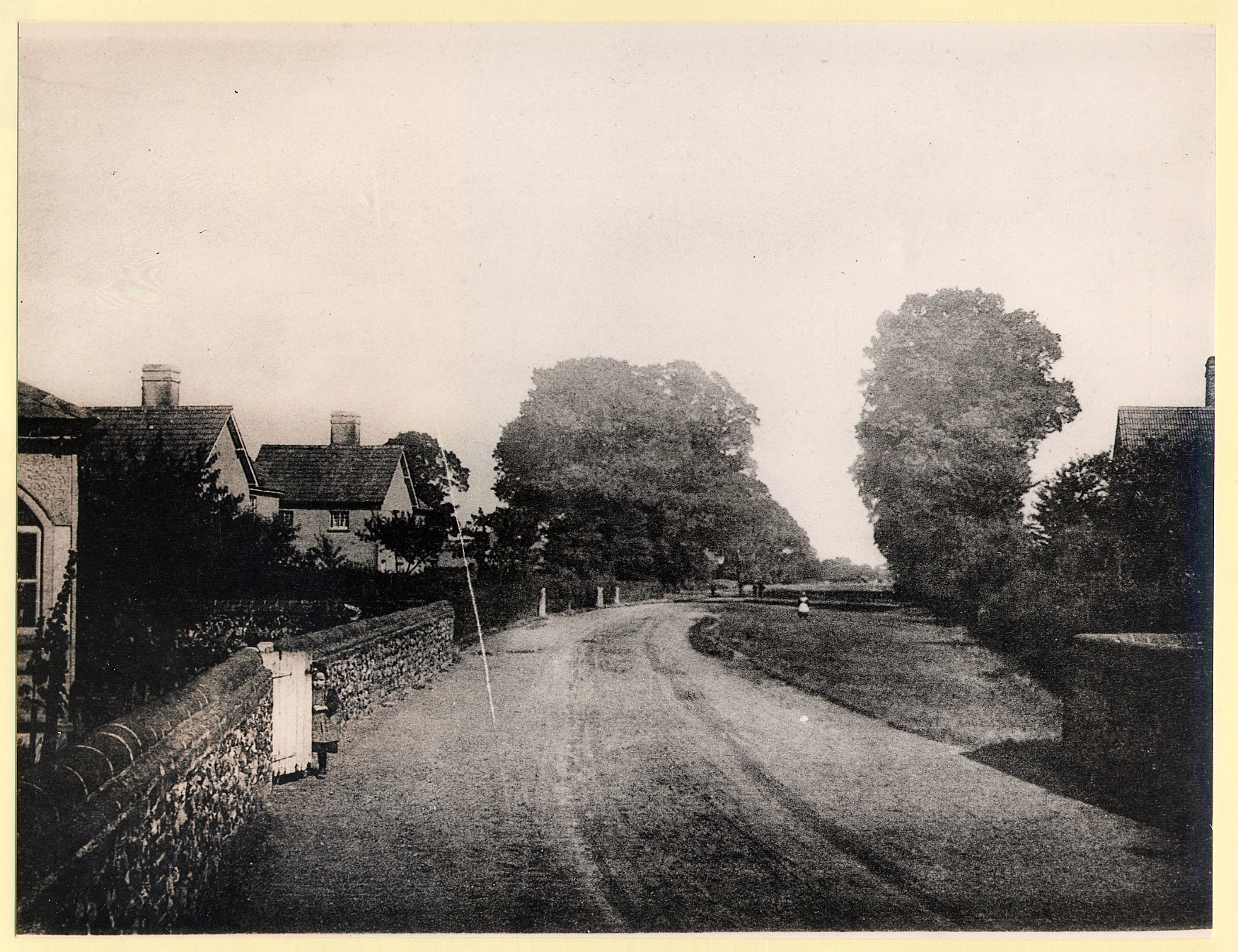
(Image of South Ockendon from my collection)
William’s early life was rooted firmly in the agricultural traditions of rural England. Born into a modest household, he grew up surrounded by rolling fields, hedgerows, and the rhythms of the farming calendar. His father, like generations before him, worked the land as a farm labourer, a role shaped by both necessity and heritage. From a young age, William was familiar with the scent of freshly turned soil and the distant hum of early morning work in the fields. The values of hard work, perseverance, and connection to the land were instilled in him not just through words, but through the daily example set by his family and community.
The Chiddicks family lived in Plough Cottages in South Ockendon, and in the 1871 census2, the Chiddicks and Lake families appear side by side: at number 19 lived William and his family, while just two doors down at number 17 were his maternal grandparents, the Lake family, who maintained a close and comforting presence. It was a tightly knit community, and one can imagine the warmth of shared Sunday meals, children playing in the lanes, and the fields beyond offering both livelihood and freedom.

(Plough Cottages are seen here on the left of The Plough Public House)
Yet even in the quiet corners of Essex, the winds of change were blowing. The Industrial Revolution had begun to ripple outward from the cities. By the 1881 census3 the family had moved to James Row, still in South Ockendon. Now 15 years old, William had joined his father in the fields. He was a farm labourer, one of thousands of boys across the nation whose formal education had ended early in order to earn a wage. His siblings, Elizabeth, Louisa, Mary Ann (“Polly”), John, and baby Alice, filled the household with the usual chaos of a large family.
Yet William’s life was not without aspiration. As Britain transitioned through the later stages of the Industrial Revolution, the countryside began to shift too. In 18864, a newspaper clipping from the Essex Newsman proudly records his involvement with the First Volunteer Battalion, Essex Regiment. His talent for drill work earned him a prize, a sign of discipline, commitment, and perhaps a spark of pride in public service. Four years later, he was again recognised, this time for marksmanship, qualities that would serve him well in a rapidly shifting society5.
In the 1890s, change came swiftly, in the shape of the railway, the very symbol of Victorian progress. The iron tracks brought not just noise and steam, but new employment opportunities for men like William. William, now in his mid-twenties, is recorded in the 1891 census6 as a railway navvy, part of the rugged workforce responsible for cutting through the landscape to lay tracks that would carry goods, people, and progress. His father, too, had moved with the times, working as a railway engine driver. The Chiddicks men were no longer just tillers of soil; they were builders of infrastructure, helping to shape the very future that was changing rapidly around them.
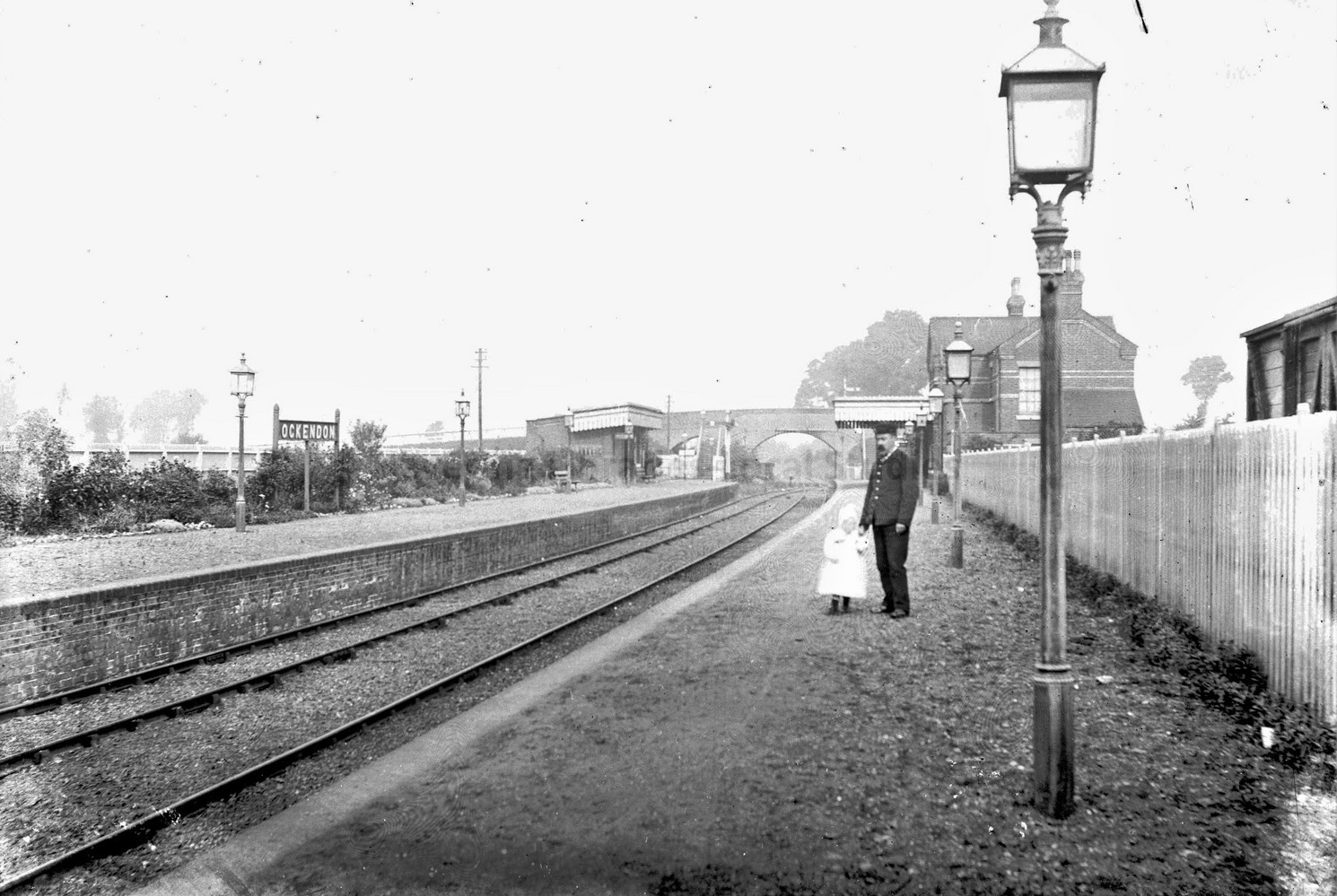
(South Ockendon Station ca.1895)
Amidst all of this transformation and progress, William met and married Caroline Rosina Keyes, the eldest daughter of Joseph Keyes and Anna Maria King. Their wedding took place on 3 April 1897, at the Parish Church in Plaistow, East London7. Though the reason for the marriage in Plaistow remains uncertain, it seems likely that the young couple had relocated there briefly, perhaps seeking work or due to the imminent arrival of their first child.
Their daughter, Louisa Alice Chiddicks, was born just four months later, on August 20th, 18978. Tragically, she died less than a month later, passing away on 12 September9 from Marasmus, a severe form of malnutrition. Her death is a haunting reminder of the fragility of working-class life during that era, where poverty, inadequate medical care, and poor nutrition could claim the youngest and most vulnerable. Following her death, William and Caroline returned to the familiarity of South Ockendon, likely carrying with them both grief and a renewed resolve to rebuild their young family.
And rebuild it they did. By the time the 1901 census10 was taken, William and Caroline were living on Station Road in South Ockendon with their two sons, Herbert Ernest and William Leonard (Len). William had returned to farm labouring, but the family’s location would change again with the birth of Frederick James Chiddicks in 1901 and Percy Edward Chiddicks in 1903. They soon settled at 44 Benson Road, Grays, moving closer to the expanding cement industry that was reshaping the Thurrock area. The image shown below was kindly donated by Dylan Moore from his wonderful historic site of cement kiln works in the UK.

Grays in the early 20th century was a town on the rise, fuelled by the booming cement trade, river commerce, and industry. With the decline of agricultural jobs, many rural labourers like William turned to cement mills for work. By 1907, at the time of his son Horace Frank Chiddicks’s birth (my grandfather), William had carved himself a trade in stone (pun intended), working as a cement miller, a tough, dusty, demanding job that symbolised the industrial shift of the era.
Between 1906 and 1913, four more children were born to the Chiddicks family: Florence Lilian in 1906, Horace Frank in 1907, Hilda May in 1909, and finally Gladys Maud in 1913. These new arrivals brought the number of surviving children in the household to eight, reflecting both the challenges and resilience of family life in the early 20th century.
By the time the 1911 census11 was taken, the family had relocated once more, this time settling at 12, Brooke Road in Grays. It was this house that would become the Chiddicks’ long-term home and a central part of the family’s story for many years to come. William Chiddicks continued to work in the local cement industry, a dominant employer in the area and vital to the region’s economic life. With all eight surviving children still at home, the household would have been a busy and lively one, shaped by the rhythms of working-class life in pre-war Essex.
Life in the mills was unrelenting and unforgiving. According to family recollections handed down through generations, William endured gruelling 12-hour shifts, his weeks stretching between six consecutive days one week, followed by seven consecutive days the next. The noise and dust must have been unbearable. The image shown below is another image that was kindly donated by Dylan Moore from his wonderful historic site of cement kiln works in the UK.

On Sundays, a small ritual brought a flicker of warmth to his weary routine. His sons would ride their bicycles to the mill, carefully balancing a hot traditional roast dinner wrapped in cloth, the steam rising as they pedalled through the soot-streaked streets. It was a modest comfort, but that was the ‘Chiddicks way’.
Each night, William made the long cycle ride home, the streets lit from the lantern on his bike. The light usually held out just long enough to light his path to the front door. But one night, the lantern flickered out before he reached home. In the pitch black, disoriented and weary, he crossed paths with the local Police. What resulted was a strict lecture and a warning not to do it again.
Despite the hardship, there were lighter moments. A report from the Grays and Tilbury Gazette dated 1 July 190512 mentions William performing the song “Down the Vale” at the Wouldham Athletic Club’s Annual Dinner, a touching reminder that even in hard times, there was music, camaraderie, and joy.
Though documentation of his later years is scarce, like many men of his era, William lived through a period of monumental change both at home and in the wider world. By the time the First World War broke out in 1914, William was in his late forties, too old to enlist, but certainly not spared from its effects. With five sons and a growing family to support, he would have watched anxiously as the younger generation answered the call to arms, and as friends, neighbours, and family were swept into the great machinery of war. On the home front, the war brought rationing, inflation, and an uncertain economy, but for a man like William, it also meant longer hours, fewer resources, and deep personal worry.
As a cement worker, William was part of a key wartime industry. Cement was essential for building military infrastructure, from barracks to airfields, bunkers to hospitals. He would have laboured through wartime shortages, rising demands, and the ever-present anxiety that came with seeing his world at war, even if he was not on the battlefield himself, his sense of duty and survival remained the same.
The end of the war in 1918 did not bring immediate peace or relief. Instead, William witnessed a country changed by loss and struggling with the harsh realities of post-war life. The early 1920s brought with them economic downturn, strikes, and high unemployment. As a father and husband, William would have borne the weight of providing for a large family during these trying times, when even the most essential goods were hard to come by, and jobs were anything but secure. Prices rose, wages stagnated, and the promised “land fit for heroes” never quite materialised.
The 1921 census13 records the family still living at 12, Brook Road, in Grays, with William still listed as a cement miller. This time, we are given the added detail of his employer’s name, The Tunnel Cement Company, a name that I remember vividly from my own childhood. What I find particularly remarkable about this census is that all eight children had survived, a considerable achievement at the time and all were still living at home. Not even the girls had left to enter domestic service, which was a common path for young women back then.
Sadly, just two years later in 1923, the Chiddicks family would suffer their first loss. Their son, Herbert Ernest Chiddicks, died from tuberculosis on 1 October 192314 at the young age of 25. He had been staying at Harold Court Sanatorium in Upminster, Essex, for several months in an effort to manage his condition.
Tuberculosis, often referred to as “consumption” at the time, was a devastating and widespread disease before the advent of antibiotics. It could linger in the body for years, slowly wearing down the sufferer through chronic fatigue, weight loss, and severe respiratory decline. It was highly infectious and, for many families, carried a terrible stigma as well as heartbreak. The loss of Herbert at such a young age, after what must have been a long and difficult battle with the illness, would have been an immense blow to the family.
Herbert was laid to rest in the same graveyard as his father, a quiet but lasting symbol of a life cut short and the deep grief the family must have endured.

(The Grave of Herbert Chiddicks taken from my own collection)
By the time the Great Depression began to cast its long shadow across the globe in 1929, William was in his sixties. Though nearing retirement, men like him rarely stopped working unless their bodies gave out. The hard, physical labour of the cement works, day after day, week after week, would have taken a toll on his health.
William died on 3 October 193215, at Guy’s Hospital in Southwark, following complications from surgery for an enlarged prostate. He was 66 years old. The cause of death was listed as shock and haemorrhage, and his death was registered by his son, William Leonard Chiddicks. Though he died without leaving a will, a grant of £453 1s. 11d16 was awarded to his widow, Caroline, the equivalent of around £30,000 in today’s money.
Many years later, once I set off on my own family history journey, I found myself standing at his very grave17, weathered, half-lost among the brambles and fallen leaves and was able to pay my respects to a man I had never met, yet who had helped lay the foundations of my family’s story.

(Grave of William Chiddicks taken from my own collection)
William Chiddicks lived a life of labour, love, loss, and quiet resilience. He stood at the crossroads of Victorian tradition and industrial modernity, and his journey mirrors that of millions of ordinary Britons whose lives were shaped by history, who, in turn, helped shape it.
He did not leave behind wealth or fame. But he left behind something far more enduring: a family, a legacy, and a name that endures both in memory and in stone. In a heartfelt tribute to the generations that followed him, I successfully petitioned Thurrock Council to recognise my family’s legacy. Today, Chiddicks Court proudly stands in South Ockendon as a permanent reminder of the Chiddicks family and those people who came before me and whose lives helped shape my very own.

What began as a simple search for names and dates became something far more powerful: a journey into the heart of who I am. Along the way, I uncovered not just records and photographs, but resilience, sacrifice, and love, all woven into the fabric of generations of the Chiddicks family. And now, with a street sign proudly bearing my family name, it’s no longer just about memory, it’s about legacy. The name that once echoed quietly in the past now stands tall in the present, a lasting tribute to my great-grandfather and all those who came before me.
Sources
- England, birth certificate (certified copy) for William Chiddicks, born 18 Mar 1866; registered March quarter 1866, Orsett Registration District reference 4A/141 ↩︎
- 1871 England and Wales Census, Class: RG10; Piece: 1652; Folio: 76; Page: 5 ©Crown Copyright / The National Archives. Accessed via Ancestry 1871 Census ↩︎
- 1881 England and Wales Census, Class: RG11; Piece: 1752; Folio: 68; Page: 7 ©Crown Copyright / The National Archives. Accessed via Ancestry 1881 Census ↩︎
- Essex Newsman, dated 25th December 1886 © British Newspaper Archive. Accessed via Find My Past Link ↩︎
- Essex Newsman, dated 20th December 1890 © British Newspaper Archive. Accessed via Find My Past Link ↩︎
- 1891 England and Wales Census, Class: RG13; Piece: 1658; Folio: 33; Page: 15 ©Crown Copyright / The National Archives. Accessed via Ancestry 1891 Census ↩︎
- Marriage certificate for William Chiddicks and Caroline Rosina Keyes, married 3 April 1897, Parish Church, Plaistow, West Ham registration district, Essex; certified copy of entry in the marriage register, supplied by the General Register Office, Southport, England. ↩︎
- Certified copy of birth certificate for Louisa Alice Chiddicks, born 20 August 1897, Orsett, registration district; certified copy supplied by the General Register Office, Southport.England and Wales. ↩︎
- Death certificate for Louisa Alice Chiddicks, died 12 September 1897 in sub-district Grays, registered in Orsett registration district; certified copy supplied by the General Register Office, Southport, England. ↩︎
- 1901 England and Wales Census Class: RG13; Piece: 1658; Folio: 33; Page: 15 ©Crown Copyright / The National Archives. Accessed via Ancestry 1901 Census ↩︎
- 1911 England and Wales Census Class: RG14; Piece: 9973; Schedule Number: 100 ©Crown Copyright / The National Archives. Accessed via Ancestry 1911 Census ↩︎
- Grays and Tilbury Gazette dated 1 July 1905 © British Newspaper Archive. Accessed via Find My Past Link ↩︎
- 1921 England and Wales Census Returns; Reference: RG 15/8921, RD 192 RS 1 ED 14; Book: 08921 ©Crown Copyright / The National Archives. Accessed via Ancestry 1921 Census ↩︎
- Death certificate for Herbert Chiddicks , died 1 October 1923 in sub-district Hornchurch, registered in Romford registration district; certified copy supplied by the General Register Office, Southport, England ↩︎
- Death certificate for William Chiddicks , died 3 October 1932 in sub-district North Southwark, registered in Southwark registration district; certified copy supplied by the General Register Office, Southport, England ↩︎
- England & Wales, National Probate Calendar (Index of Wills and Administrations), 1858-1966, 1973-1995 Accessed via Ancestry Letters of Administration ↩︎
- William Chiddicks was buried in The Grays New Cemetery Grave No:548 Section 11, Source Thurrock Council ↩︎
Why not visit my new website:
All My Blogs For Family Tree Magazine in one handy place
Copyright © 2025 Paul Chiddicks | All rights reserved

 The Chiddicks Family Tree
Wonderful story! It must have taken hours and hours of research but it’s had a very satisfactoy conclusion.
LikeLiked by 1 person
Thanks Sheree it was a wonderful story to tell
LikeLiked by 1 person
😎
LikeLike
If only William Chiddicks could read what you wrote about his life, I’m sure he would be so pleased with the way you’ve memorialised his ability to constantly adapt to the changes in his family and in the wider world around him. Plus you successfully petitioned to name Chiddicks Court in honour of the family’s legacy–a wonderful and lasting tribute.
LikeLiked by 1 person
Thanks so much for your kind words I have often wondered what our ancestors would make of us digging into the past. Would they be pleased or upset or just think of us as nosey so and so’s 😊
LikeLike
Lovely tribute. I hope your family treasures your work.
LikeLiked by 1 person
Thank you so much, I hope they do as well 😊
LikeLike
A loving family history told with warmth and rich detail. I wondered about the large grant Caroline received after William’s death. Was it from the government, his employer, or some other source? Seems like a substantial chunk of change!
LikeLiked by 1 person
Thanks Eilene I have often wondered the same question, it does seem a rather large sum for a labourer to leave behind.
LikeLiked by 1 person