
Discover the dark tales of the past in my brand-new series: “Stories From The Grave.”
Some family history stories announce themselves quietly, while others arrive and take hold of the heart. The story of Little Merrit Beardsley belongs to the latter. It is brief, tender, and heavy with the kind of love that refuses to let go, even in the face of loss. When we come across moments like this in our research, we are reminded about the true meaning of genealogy; it’s about human fears, hopes, loss and above all else, it’s about love and the ways families tried to comfort one another when words were not enough.
Merrit Beardsley was just eight years old when he died in 1865, taken by an illness that could not be cured in his time. Childhood sickness was heartbreakingly common in the nineteenth century, yet that knowledge did little to soften the blow for the families who endured it. Merrit’s parents watched their young son fade, knowing there was nothing they could do but stay close and listen.
According to long‑held family and local tradition, in the days before his death, Merrit shared a fear with his father: he was afraid of being buried in darkness. It is an achingly simple thought, one that speaks volumes about the mind of a child facing something he could not fully understand. Rather than dismissing that fear, his parents carried it with them, even after he was gone.
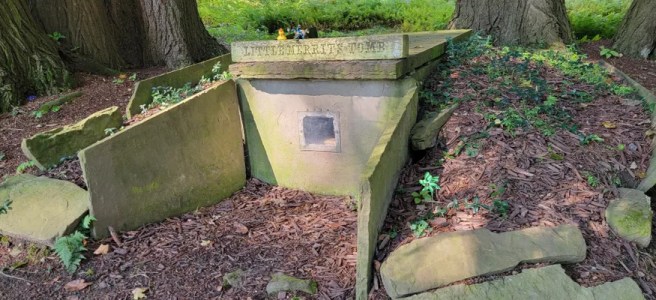
After Merrit passed, he was laid to rest above ground with a window in his tomb, so the sunlight could always reach him. Merrit’s tomb is located in Beardsley Cemetery in Oxford, New York. He is at rest next to his parents, Sarah and William. It was this window that, over time, has become the most talked‑about part of his story. Some accounts describe it as a way to let light reach him, a symbolic promise that his parents’ love would continue to surround him. Others suggest more practical explanations, as was common in the nineteenth century. What matters most, however, is not settling the legend, but understanding what it represents: a family responding to grief with tenderness, imagination, and care.
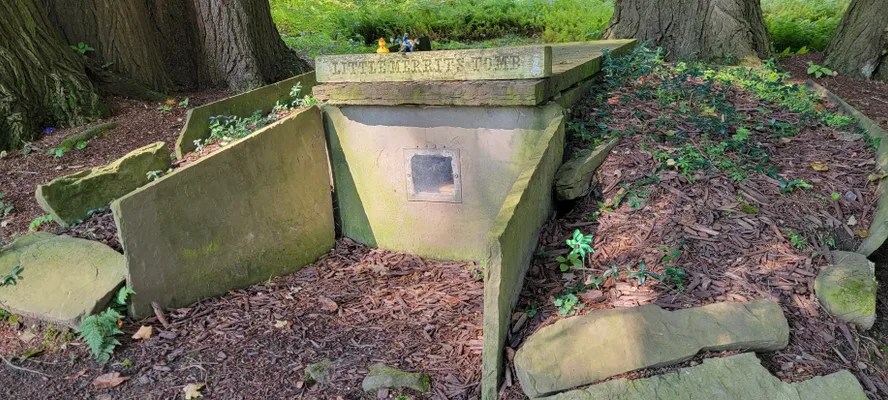
Standing at Merrit’s grave today, it is difficult not to pause. The window draws the eye, but it is the thought behind it that lingers. Whether symbolic or practical, it reflects parents who listened closely to their child and sought, in the only way they could, to ease his fear. In an era when death was familiar and medical options were limited, this act stands out as deeply personal.
For those of us tracing our family trees, stories like Merrit’s remind us why we do this work. They encourage us to look beyond records and consider the emotional lives of the people we research. Little Merrit Beardsley lived only eight years, yet his story has endured for more than a century and a half, not because of how he died, but because of how fiercely he was loved. In remembering him, we honour not only one child, but the quiet strength of families who carried light into the darkest moments of their lives.
Part of the ongoing series, Stories From The Grave.
Stories From The Grave tells the stories of those once forgotten, misunderstood, or cast aside and considers how remembrance can restore dignity.
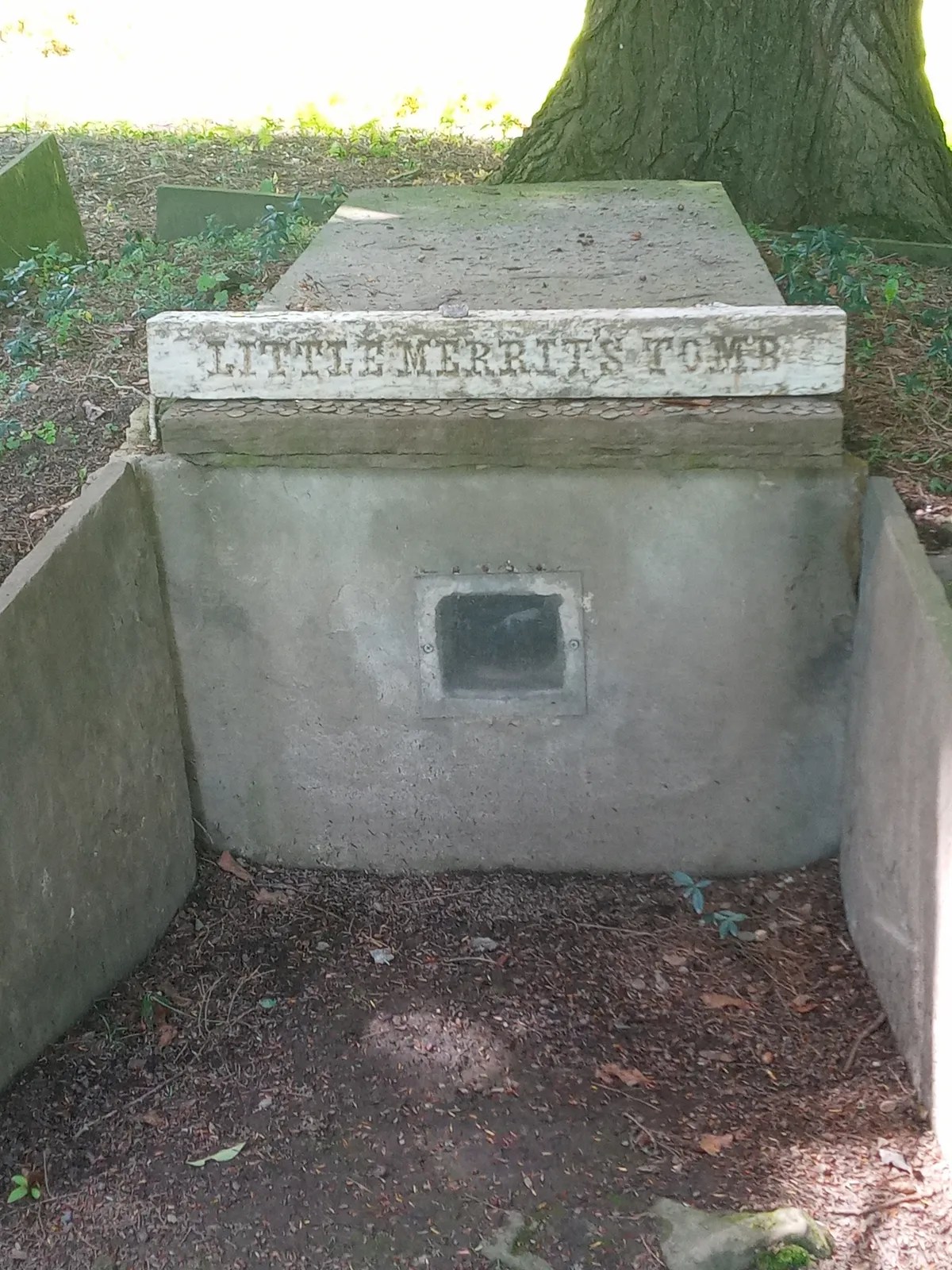
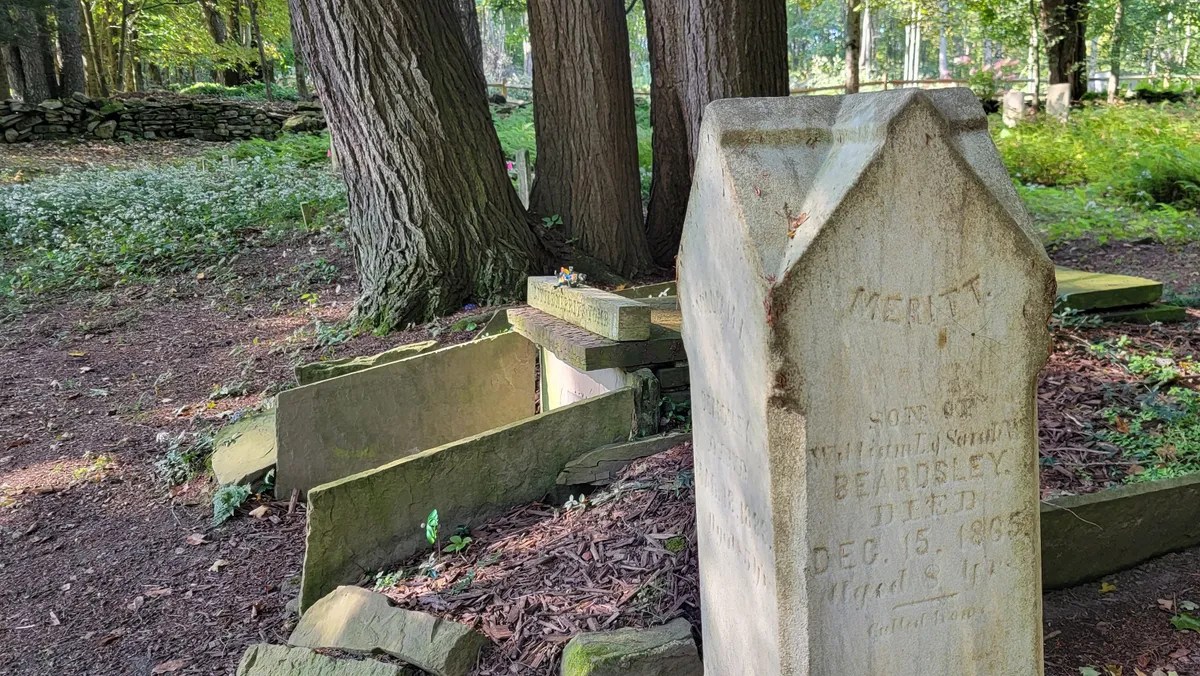
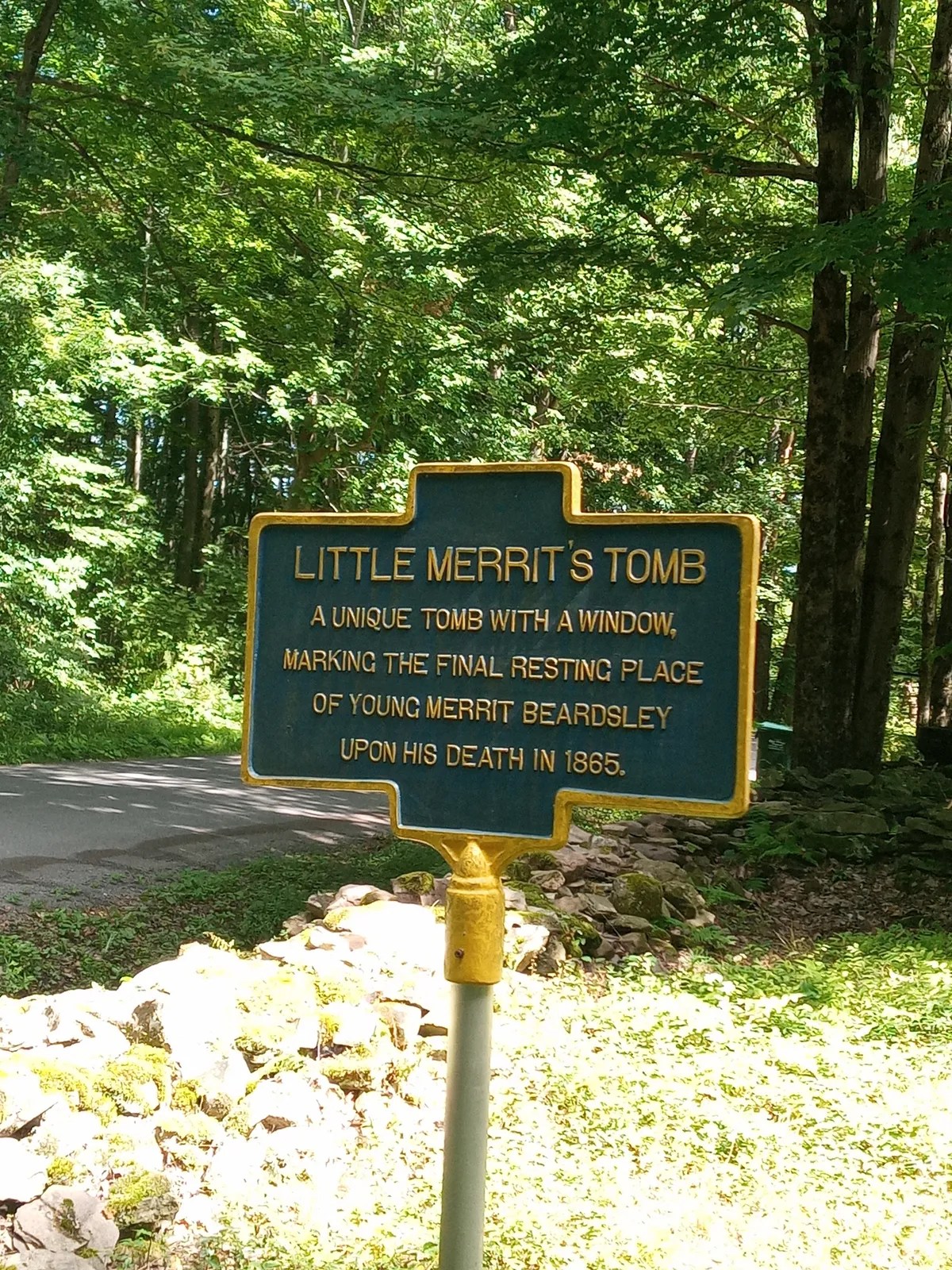
The photographs within this article were provided with permission from Stefan Foster, the designated volunteer caretaker of Little Merrit’s Tomb and the Beardsley Cemetery.
I spend a lot of time researching and sharing these family connections, so if this post helped you uncover part of your family story, you can support my ongoing research here:

See also: Stefan Foster, 𝘓𝘪𝘵𝘵𝘭𝘦 𝘔𝘦𝘳𝘳𝘪𝘵’𝘴 𝘛𝘰𝘮𝘣: 𝘈 𝘍𝘪𝘦𝘭𝘥 𝘎𝘶𝘪𝘥𝘦 (2022).”
Why not visit my new website:
All My Blogs For Family Tree Magazine in one handy place
Copyright © 2026 Paul Chiddicks | All rights reserved


A lovely tale
LikeLiked by 1 person
Thanks Sheree
LikeLiked by 1 person
Love does indeed shine through. Little Merrit died at a time of turmoil in American history and the fact that his parents were able to memorialize him in this way speaks volumes of their love, strength, and determination. Thank you for shining a light on this family.
LikeLiked by 1 person
This is one of those stories that is both heartbreaking and heartwarming at the same time. Thank you for taking the time to read little Merrit’s story.
LikeLike
How tender their care for their young son. Moving story, Paul.
LikeLiked by 1 person
Thank you Eilene the parents love for their child shone through this story
LikeLiked by 1 person
What a wonderful idea his parents had…a loving tribute indeed to their son.
LikeLiked by 1 person
Its such a heartbreaking and heartwarming story. What his parents did, now lives on forever more, a true reflection of their love for their son.
LikeLike